Fear of Being Perceived: Understanding the Hidden Anxiety That Shapes Everyday Life

Introduction
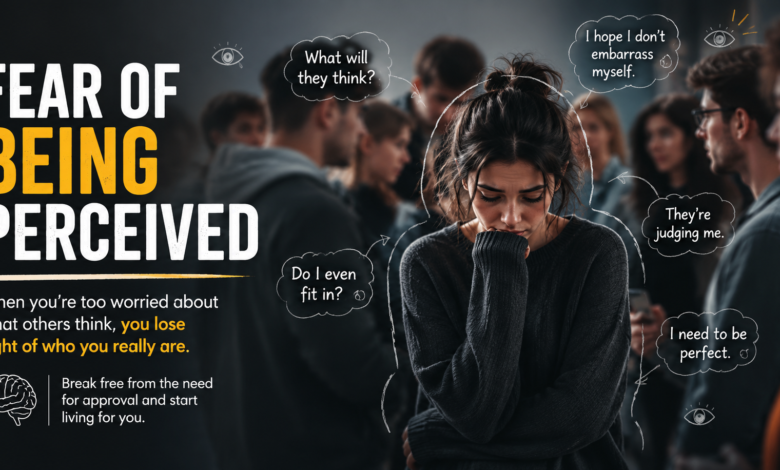
The fear of being perceived is something many people experience, even if they have never found the right words to describe it. It goes beyond ordinary shyness or social anxiety. Instead, it is the uncomfortable feeling that comes from knowing someone is watching, judging, or simply noticing you. Whether you’re posting on social media, speaking in a meeting, walking into a crowded room, or sharing your creative work, this feeling can make even simple situations seem overwhelming.
In today’s digital world, where almost everything can be shared, commented on, and evaluated, the fear of being perceived has become more common than ever. Many people hesitate to express themselves because they worry about what others might think. Sometimes this fear is subtle, while other times it becomes so intense that it limits personal growth, relationships, and career opportunities.
Understanding this emotional experience is the first step toward overcoming it. This article explores what the fear of being perceived really means, why it happens, how it affects everyday life, and practical ways to manage it with confidence.
What Does Fear of Being Perceived Mean?
The fear of being perceived refers to feeling uncomfortable simply because other people notice you. Unlike traditional social anxiety, which often focuses on interactions or conversations, this fear can exist even when no one is speaking to you. The idea of being seen, recognized, or evaluated can trigger stress and self-consciousness.
Many people describe it as feeling exposed. They may avoid wearing clothes that stand out, hesitate to share opinions, or avoid posting pictures online. Even positive attention can feel overwhelming because it brings awareness that others are observing them.
Psychologists often connect this feeling with self-consciousness, perfectionism, and fear of judgment. While the fear of being perceived is not an official mental health diagnosis, it reflects emotional patterns that many individuals experience, especially in highly connected and image-focused environments.
Common Signs of Fear of Being Perceived
One of the clearest signs of the fear of being perceived is avoiding situations where attention might naturally fall on you. This could include skipping presentations, avoiding eye contact, or refusing to share creative projects that you’ve worked hard on.
Another common sign is overthinking. Someone may replay conversations repeatedly, wondering whether they sounded awkward or made a mistake. Even minor interactions can become sources of anxiety because they imagine others are constantly evaluating them.
People with the fear of being perceived may also struggle with accepting compliments. Instead of enjoying positive feedback, they feel uncomfortable because compliments bring attention. This discomfort often leads them to downplay achievements or avoid situations where recognition is possible.
Why Do People Experience Fear of Being Perceived?
There is no single cause behind the fear of being perceived. For many individuals, childhood experiences play a significant role. Growing up with excessive criticism, unrealistic expectations, or frequent embarrassment can teach someone that attention is unsafe.
Social media has also changed the way people think about visibility. Every post, photo, or comment has the potential to receive praise or criticism. This constant possibility of evaluation can strengthen the fear of being perceived, making people more cautious about expressing themselves.
Personality traits contribute as well. Highly sensitive individuals often process emotions deeply and become more aware of how others react to them. Combined with perfectionism, this sensitivity can create a strong desire to remain unnoticed rather than risk making mistakes.
How Fear of Being Perceived Affects Daily Life
The fear of being perceived can quietly influence everyday decisions. Someone may choose not to ask questions during class because they don’t want others to notice them. Another person might avoid networking events despite knowing they would benefit professionally.
Creative expression often suffers too. Artists, writers, musicians, and content creators sometimes delay publishing their work because sharing it means allowing others to form opinions. The fear isn’t always about criticism—it can simply be about being seen.
Relationships may also become more difficult. Individuals experiencing the fear of being perceived sometimes hide their authentic personalities to avoid vulnerability. While this may feel protective, it can prevent genuine connections from forming.
The Difference Between Social Anxiety and Fear of Being Perceived
Although they overlap, social anxiety and the fear of being perceived are not exactly the same. Social anxiety usually centers around conversations, interactions, or performing in front of others. People worry about embarrassing themselves or saying the wrong thing.
The fear of being perceived, however, can exist even without interaction. Simply being noticed while sitting quietly, walking outside, or existing in public can trigger discomfort. The anxiety comes from awareness itself rather than communication.
Understanding this distinction helps people better recognize their emotional experiences. Some individuals experience both conditions, while others primarily struggle with the discomfort of visibility rather than social interaction.
Practical Ways to Overcome Fear of Being Perceived
Managing the fear of being perceived starts with recognizing that everyone is noticed from time to time, and that this is a normal part of life. Most people are much more focused on themselves than on constantly judging others. Remembering this can reduce unnecessary worry.
Gradual exposure is another helpful strategy. Instead of avoiding situations, take small steps. Speak up once during a meeting, post one photo online, or wear something you genuinely enjoy. Repeated positive experiences slowly teach your brain that being seen is not dangerous.
Practicing self-compassion is equally important. Instead of expecting perfection, remind yourself that mistakes are part of being human. The less pressure you place on yourself, the less powerful the fear of being perceived becomes over time.
Building Confidence Despite Being Seen
Confidence does not mean never feeling nervous. It means choosing to act even when discomfort exists. People who appear confident often experience self-doubt too, but they continue moving forward despite it.
Developing a strong sense of identity helps reduce the fear of being perceived. When your self-worth comes from your own values instead of outside opinions, other people’s judgments lose much of their influence.
Celebrating small victories can also build resilience. Every time you express an opinion, share your work, or participate despite feeling anxious, you prove to yourself that growth is possible. These moments gradually replace fear with confidence.
When Professional Support Can Help
For some individuals, the fear of being perceived becomes so intense that it affects work, education, relationships, or overall happiness. If avoiding attention significantly limits your life, speaking with a licensed mental health professional can make a meaningful difference.
Therapies such as Cognitive Behavioral Therapy (CBT) are widely used to help people identify unhelpful thought patterns and replace them with healthier perspectives. Therapy provides practical tools for reducing anxiety and increasing confidence in everyday situations.
Seeking support should never be viewed as weakness. Emotional well-being deserves the same attention as physical health, and professional guidance can help individuals regain control over fears that once felt overwhelming.
Tips for Living More Authentically
Living authentically means allowing yourself to exist without constantly filtering every action through the imagined opinions of others. The fear of being perceived often encourages people to hide, but authenticity encourages gradual openness.
Focus on activities that genuinely bring you joy rather than those designed to gain approval. Whether it’s writing, painting, exercising, or learning a new skill, personal fulfillment strengthens confidence from within.
Finally, remember that everyone is perceived differently by different people. Trying to control every opinion is impossible. Accepting this reality creates freedom and makes it easier to live according to your own values rather than constant external validation.
Conclusion
The fear of being perceived is a real emotional experience that affects people from all walks of life. Although it may feel isolating, it is more common than many realize. Modern life, social media, perfectionism, and personal experiences can all contribute to this hidden anxiety, making ordinary situations feel emotionally exhausting.
Fortunately, this fear does not have to define your life. By understanding its causes, recognizing its patterns, practicing self-compassion, and gradually becoming more comfortable with visibility, you can build lasting confidence. Every small step toward expressing yourself weakens the power that fear once held.
Ultimately, being seen is part of being human. Your thoughts, talents, creativity, and personality deserve space in the world. The journey beyond the fear of being perceived is not about becoming fearless—it is about learning that your value does not depend on avoiding attention, but on embracing your authentic self with courage and kindness.
You May Also Read: WKH Notebook