Neurospicy: What It Means, Why People Use It, and How It Shapes Modern Conversations

Introduction
Neurospicy, The internet has introduced countless new words over the years, but only a few manage to become part of everyday conversations. One of those words is neurospicy. Whether you’ve seen it on TikTok, Instagram, Reddit, or heard someone describe themselves this way, you’re probably wondering what it actually means.
The term neurospicy has become increasingly popular because it offers a lighthearted and positive way for many people to talk about neurodivergence. Instead of focusing on limitations or medical labels, it celebrates the unique ways people’s brains work. While the word is often used humorously, it also reflects a growing movement toward acceptance, inclusion, and understanding.
In this guide, you’ll learn everything you need to know about neurospicy, including its meaning, origin, who uses it, why it’s become so popular, and how it contributes to conversations about neurodiversity. Whether you’re new to the term or simply curious, this article will give you a complete understanding in a friendly and approachable way.
What Does Neurospicy Mean?
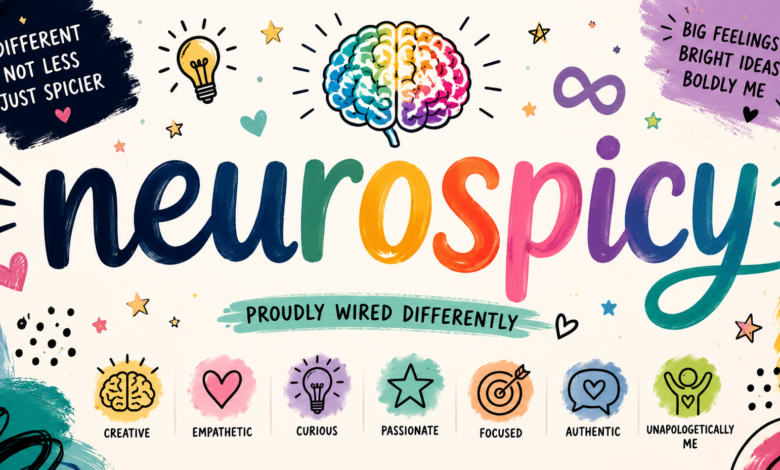
The word neurospicy is an informal slang term that people often use to describe themselves as neurodivergent in a fun, playful, and less clinical way. Instead of saying they have ADHD, autism, dyslexia, OCD, or another neurological difference, some individuals choose to say they’re “a little neurospicy.”
The word combines “neuro,” referring to the brain or nervous system, with “spicy,” a playful expression that suggests something unique, interesting, or different from the ordinary. Rather than implying something is wrong, the term highlights individuality and personality.
It’s important to understand that neurospicy is not a medical diagnosis. Doctors and psychologists do not use it in clinical settings. Instead, it’s a community-created expression that many people use online and in casual conversations to describe their experiences with neurodivergence in a positive way.
The Origin of Neurospicy
Like many modern internet expressions, neurospicy doesn’t have a single inventor. The term gradually gained popularity across social media platforms, especially TikTok, Twitter (X), Instagram, and Reddit.
Creators who openly discussed ADHD, autism, executive dysfunction, sensory processing, and other neurodivergent experiences started using the word as a humorous alternative to more formal terminology. It quickly resonated with audiences because it felt warm, relatable, and approachable.
As awareness of neurodiversity continued to grow, more people embraced neurospicy as a way to normalize conversations about neurological differences. Today, it’s commonly used in memes, educational videos, podcasts, online communities, and everyday conversations.
Why Has Neurospicy Become So Popular?
One reason neurospicy has become so popular is that language shapes how people feel about themselves. Clinical terminology can sometimes feel intimidating or overly serious, while playful language can reduce stigma and encourage open conversations.
Many people appreciate that the term creates a sense of community. Saying you’re neurospicy often signals that you understand neurodivergent experiences and embrace them rather than hide them. It allows people to connect through shared experiences with humor and empathy.
Social media has also played a major role. Short videos discussing ADHD habits, autism traits, sensory sensitivities, and executive dysfunction frequently use neurospicy in captions and hashtags. This widespread visibility has helped introduce the word to millions of people around the world.
Neurospicy and Neurodiversity
To fully understand neurospicy, it’s helpful to understand the broader concept of neurodiversity. Neurodiversity recognizes that human brains naturally function in different ways and that these differences are a normal part of humanity.
People who identify as neurodivergent may have conditions such as ADHD, autism spectrum disorder, dyslexia, dyspraxia, Tourette syndrome, or other neurological differences. These differences often bring both challenges and strengths depending on the individual and their environment.
The term neurospicy fits within this broader conversation by providing an informal way to acknowledge neurological diversity without focusing solely on diagnoses. For many people, it represents pride, acceptance, and self-understanding.
Who Uses the Term Neurospicy?
The people who use neurospicy come from many different backgrounds. Some have official medical diagnoses, while others are exploring their neurological identity and relate to neurodivergent experiences.
Many adults diagnosed with ADHD later in life have embraced neurospicy because it helps them discuss their experiences without feeling defined by medical terminology. Similarly, autistic individuals often use the word in supportive online communities where humor and shared understanding are common.
Friends, family members, educators, mental health advocates, and content creators also use the term when discussing neurodiversity respectfully. However, it’s generally considered best practice to avoid labeling someone else as neurospicy unless they identify with the term themselves.
Is Neurospicy Appropriate for Everyone?
Although many people love the word neurospicy, not everyone feels comfortable using it. Some individuals prefer more formal language such as “autistic person,” “person with ADHD,” or simply “neurodivergent.”
Others feel that humorous terminology may unintentionally minimize the real challenges associated with living with neurological differences. Executive dysfunction, sensory overload, anxiety, and social communication challenges can significantly impact daily life, and some people worry playful language may make those struggles seem less serious.
Ultimately, whether someone chooses to describe themselves as neurospicy is a personal decision. Respecting individual preferences is one of the most important parts of creating inclusive conversations.
Common Characteristics Associated with Neurospicy Individuals
It’s impossible to define one universal neurospicy personality because neurodivergence varies greatly from person to person. However, many people who identify with the term describe similar experiences.
Some experience intense focus on favorite hobbies, while others struggle to maintain attention on routine tasks. Many report heightened creativity, unique problem-solving skills, strong pattern recognition, or deep passion for specific interests.
Others mention sensory sensitivities, emotional intensity, difficulty with executive functioning, or needing different approaches to communication and learning. These experiences vary widely, which is why neurospicy is better understood as a playful umbrella term rather than a precise description.
Benefits of Embracing the Neurospicy Identity
For many people, identifying as neurospicy can improve self-acceptance. Instead of viewing their brain as broken, they begin to see it as simply different, with its own strengths and challenges.
The term also encourages conversations that reduce stigma. When people openly discuss neurodivergence with humor and confidence, it helps normalize these experiences and encourages others to seek understanding or support if needed.
Community is another major benefit. Online groups filled with neurospicy individuals often share practical advice, coping strategies, relatable stories, and encouragement. Feeling understood by others with similar experiences can make a significant difference in emotional well-being.
Misconceptions About Neurospicy
One common misconception is that neurospicy is an official psychological diagnosis. In reality, it is simply an internet slang term that has become popular within neurodivergent communities.
Another misunderstanding is that everyone who uses neurospicy has ADHD or autism. The term is broader and may be used by people with various forms of neurodivergence, though personal preferences differ widely.
Some people also mistakenly assume the word makes light of disabilities. While that concern is understandable, many individuals who use neurospic.y do so precisely because it helps them reclaim their identity with positivity and humor. The intention usually comes from self-expression rather than minimizing genuine challenges.
The Future of Neurospicy
Language evolves constantly, and neurospic.y is a great example of how communities create new words to reflect changing attitudes. As awareness of neurodiversity continues to grow, terms like this may become even more common in everyday conversations.
At the same time, respectful communication will remain essential. Different people will continue to have different preferences for describing themselves, and there is room for both playful community language and formal medical terminology.
Whether neurospi.cy remains popular for years to come or eventually gives way to new expressions, it has already contributed to broader discussions about acceptance, inclusion, and celebrating neurological diversity.
Conclusion
The rise of neurospic.y reflects more than just another internet trend. It represents a cultural shift toward embracing neurological differences with confidence, humor, and compassion. While the term is informal and not intended to replace medical language, it has helped many people discuss neurodivergence in a way that feels authentic and empowering.
Understanding neurospic.y also means recognizing that every neurodivergent person’s experience is unique. Some embrace the label enthusiastically, while others prefer more traditional terminology. Both perspectives deserve respect. What matters most is listening to individuals, honoring their preferences, and creating spaces where everyone feels accepted.
As conversations about neurodiversity continue to expand, neurosp.icy will likely remain an important part of modern internet culture. It reminds us that different ways of thinking are not flaws to be hidden but valuable parts of the rich diversity that makes humanity stronger. By approaching these conversations with empathy and curiosity, we can build a more inclusive world where every mind is appreciated for what it brings.
You May Also Read: Modality
