Pancreatitis is a condition that occurs when the pancreas becomes inflamed. It can happen suddenly, known as acute pancreatitis, or develop over a longer period, known as chronic pancreatitis. While mild cases may improve with appropriate medical care, severe pancreatitis can cause serious complications and may require hospital treatment.
The good news is that pancreatitis treatments have several goals: controlling pain, maintaining hydration and nutrition, treating the underlying cause, and preventing complications. The exact treatment depends on whether pancreatitis is acute or chronic and what caused it in the first place.
This guide explains the most common pancreatitis treatments in straightforward language, including hospital care, medicines, dietary support, procedures, surgery, and long-term management.
Table of Contents
- What Is Pancreatitis?
- Acute vs. Chronic Pancreatitis
- How Is Pancreatitis Treated?
- Acute Pancreatitis Treatments
- Chronic Pancreatitis Treatments
- Medicines Used for Pancreatitis
- Diet and Nutrition During Treatment
- Procedures and Surgery
- Lifestyle Changes That Support Recovery
- When to Seek Medical Care
- Frequently Asked Questions
- Final Thoughts
What Is Pancreatitis?
The pancreas is an organ located behind the stomach. It plays an important role in digestion by producing digestive enzymes, and it also helps control blood sugar by producing hormones such as insulin. Pancreatitis develops when the pancreas becomes inflamed.
There are many possible causes. Gallstones and heavy alcohol use are among the common causes, while other possibilities include certain medicines, high blood fat levels, genetic conditions, infections, abdominal injuries, and problems affecting the pancreatic or bile ducts. Sometimes, doctors cannot identify a clear cause.
Symptoms can include upper abdominal pain that may spread toward the back, nausea, vomiting, fever, and a rapid heartbeat. Chronic pancreatitis can also cause digestive problems, diarrhea, greasy stools, and unintended weight loss. Severe or worsening symptoms require prompt medical evaluation because pancreatitis can sometimes become dangerous.
Acute vs. Chronic Pancreatitis
Acute pancreatitis develops suddenly and is usually short-term. Many people with mild acute pancreatitis recover within several days with appropriate treatment. More severe cases, however, can require a longer hospital stay and close monitoring because complications can affect other organs.
Chronic pancreatitis is different because the inflammation continues or repeatedly damages the pancreas over time. The damage can become permanent and may affect digestion and blood sugar regulation. Treatment therefore focuses not only on symptoms but also on maintaining nutrition, supporting pancreatic function, controlling pain, and managing complications.
Understanding which type of pancreatitis a person has is important because treatment is not identical for everyone. Doctors also need to identify the underlying cause whenever possible. For example, someone whose pancreatitis is related to gallstones may need a different treatment approach from someone with chronic pancreatic damage.
How Is Pancreatitis Treated?
There is no single treatment that works for every case of pancreatitis. Instead, doctors create a treatment plan based on the severity of the inflammation, symptoms, test results, complications, and underlying cause. Treatment may include hospital monitoring, fluids, pain control, nutritional support, and procedures when necessary.
For acute pancreatitis, treatment often begins in a hospital when symptoms are significant. Doctors may provide fluids through an IV, monitor vital signs, manage pain, and provide nutrition according to the person’s condition. If a complication or underlying blockage is identified, additional treatment may be required.
For chronic pancreatitis, the approach is usually longer-term. Doctors may address ongoing pain, digestive problems, nutritional deficiencies, diabetes, pancreatic duct blockages, and other complications. In some situations, specialists such as gastroenterologists, dietitians, pain specialists, or surgeons may become part of the care team.
Acute Pancreatitis Treatments
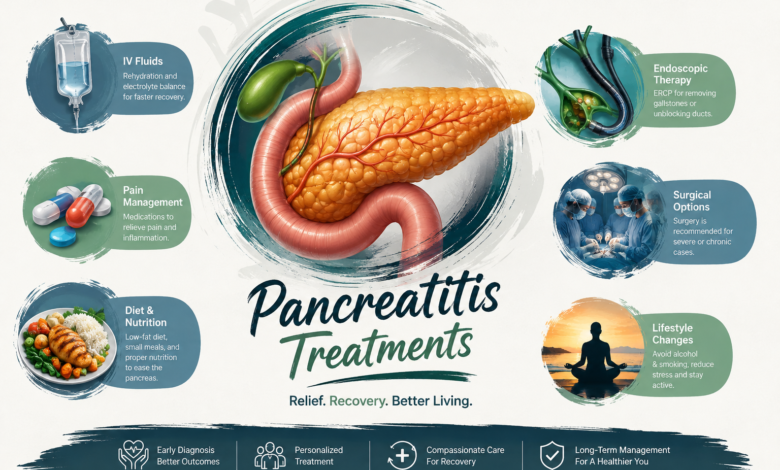
One of the main goals when treating acute pancreatitis is supporting the body while the inflammation settles. IV fluids may be given to help prevent or treat dehydration, particularly when a person is unable to drink enough. Pain medicines may also be used because pancreatitis can cause significant abdominal pain.
Nutrition is another important part of treatment. A person may be able to begin eating again once symptoms improve and eating does not cause significant vomiting or pain. In some cases, nutritional support through a feeding tube may be necessary. Treatment decisions are individualized rather than based on one fixed diet or schedule.
Doctors also look for the reason the pancreatitis happened. If gallstones are responsible, treatment may involve procedures to remove a blockage or surgery to remove the gallbladder when appropriate. If a medicine appears to be responsible, a healthcare professional may consider changing it. The underlying cause needs attention to reduce the risk of another episode.
Chronic Pancreatitis Treatments
Treating chronic pancreatitis usually requires a long-term plan. Because the condition can cause lasting pancreatic damage, treatment often focuses on improving digestion, controlling pain, supporting nutrition, and addressing problems such as diabetes.
Pancreatic enzyme replacement therapy may be prescribed when the pancreas does not produce enough digestive enzymes. These enzyme medicines help the body digest and absorb nutrients from food. Doctors may also recommend certain vitamins when chronic pancreatitis has caused problems with nutrient absorption.
Pain management can also be an important part of chronic pancreatitis care. Depending on the situation, treatment may involve medicines, procedures designed to improve pancreatic drainage, or specialized approaches to reduce pain signals. If symptoms remain difficult to control, a healthcare professional may refer the person to a pain specialist or pancreatic specialist.
Medicines Used for Pancreatitis
Pain relief is commonly part of Pancreatitis Treatments treatment, especially during acute attacks or when chronic pancreatitis causes ongoing discomfort. The type and amount of medicine should be determined by a healthcare professional because pancreatitis can have different causes and complications.
Antibiotics are not automatically used for every case of pancreatitis. They may be prescribed when doctors identify an infection that requires antibiotic treatment. This distinction is important because inflammation itself does not necessarily mean that an antibiotic is needed.
Other medicines may target the cause or complications of pancreatitis. For example, doctors may treat very high triglyceride levels when they are contributing to pancreatitis, or adjust a medicine if it is suspected to have caused an episode. People with chronic pancreatitis and diabetes may also need an individualized diabetes management plan.
Diet and Nutrition During Treatment
Food and nutrition can become a complicated issue when someone has pancreatitis. During an acute episode, a person may temporarily have difficulty eating because of nausea, vomiting, or abdominal discomfort. Medical teams decide when and how nutrition should be restarted based on the individual’s condition.
Once eating is appropriate, healthcare professionals may recommend a nutritious eating pattern that is lower in fat and may involve smaller, more frequent meals. The exact plan can vary depending on the severity of pancreatitis, digestive function, nutritional needs, and other health conditions.
Chronic Pancreatitis Treatments can sometimes interfere with digestion and nutrient absorption. This is why nutritional support can be especially important. A dietitian or healthcare professional can help create an eating plan that provides adequate nutrients without unnecessarily restricting food. Pancreatic enzyme treatment may also be recommended when pancreatic enzyme production is insufficient.
Procedures and Surgery
Sometimes pancreatitis cannot be managed with supportive treatment alone. If a gallstone blocks a bile or pancreatic duct, doctors may use a procedure called endoscopic retrograde cholangiopancreatography (ERCP). This procedure combines endoscopy and imaging to identify and treat certain duct blockages, including removing gallstones when appropriate.
Other procedures may be used when complications develop. For example, doctors may drain certain fluid collections when they become infected or cause significant problems. Damaged pancreatic tissue may also require specialized treatment in severe cases. The choice depends heavily on the type and timing of the complication.
Surgery is sometimes necessary, particularly when gallstones are responsible for Pancreatitis Treatments or when chronic pancreatitis causes significant blockage or damage. In selected cases of chronic pancreatitis that does not respond adequately to other treatments, more extensive pancreatic surgery may be considered. These decisions require specialist assessment because surgery has important risks and benefits.
Lifestyle Changes That Support Recovery
Lifestyle changes can be an important part of preventing additional pancreatic problems. Medical professionals strongly advise people with pancreatitis to avoid alcohol because continued alcohol use can increase the risk of additional attacks and progression to chronic Pancreatitis Treatments.
Smoking is another important factor. Health professionals recommend stopping smoking because smoking is associated with Pancreatitis Treatmentsand may increase the likelihood of chronic disease and other pancreatic problems. Anyone who needs help stopping should discuss safe support options with a healthcare professional.
Maintaining a healthy lifestyle can also help address some risk factors associated with Pancreatitis Treatments. Managing conditions such as high triglycerides, diabetes, and gallstone-related problems may be part of an overall prevention strategy. However, lifestyle changes should complement medical treatment rather than replace professional care.
When to Seek Medical Care
Pancreatitis should not be treated as an ordinary stomachache, especially when symptoms are severe or persistent. Significant upper abdominal pain, particularly pain that spreads to the back, can be a warning sign. Nausea, vomiting, fever, a rapid heartbeat, or abdominal tenderness can also occur with acute Pancreatitis Treatments.
Some symptoms require urgent medical attention. NIDDK advises seeking care right away for severe or worsening abdominal pain, nausea and vomiting, fever or chills, a rapid heartbeat, shortness of breath, or yellowing of the skin or eyes. These symptoms can indicate serious inflammation, infection, or blockage.
It is also important not to rely on home remedies or self-diagnosis when pancreatitis is suspected. Because Pancreatitis Treatments can range from mild to severe and may have several different causes, proper evaluation can help doctors determine the safest treatment. Diagnosis may involve medical history, examination, blood tests, and imaging studies such as ultrasound or CT scans.
Frequently Asked Questions About Pancreatitis Treatments
Can pancreatitis be treated?
Yes. Treatment depends on whether pancreatitis is acute or chronic and what caused it. Acute pancreatitis may improve within days in mild cases with appropriate medical care, while chronic Pancreatitis Treatments generally requires longer-term management because pancreatic damage can become permanent.
Is pancreatitis treatment always done in a hospital?
Not every situation is identical, but significant acute Pancreatitis Treatments commonly requires medical evaluation and may require hospitalization. Hospital care allows healthcare professionals to provide fluids, manage pain, monitor the condition, and respond to complications when necessary.
What foods are recommended during pancreatitis recovery?
When eating is appropriate, healthcare professionals may recommend a healthy, nutrient-rich, lower-fat eating plan, sometimes using smaller and more frequent meals. The best diet depends on the individual’s condition, so people with Pancreatitis Treatments should follow the plan provided by their healthcare team.
Can chronic pancreatitis be cured?
Chronic Pancreatitis Treatments can cause permanent damage, so treatment generally focuses on controlling symptoms, supporting digestion and nutrition, and managing complications rather than simply expecting the pancreas to return to normal. Treatment may include pancreatic enzymes, nutritional support, pain management, procedures, or surgery in selected cases.
What is the most important thing to remember about pancreatitis?
The biggest takeaway is that Pancreatitis Treatments has different causes and levels of severity, so treatment needs to be individualized. Severe abdominal pain or other concerning symptoms should be medically evaluated rather than managed solely at home. Early assessment can help identify the cause and reduce the risk of complications.
Final Thoughts
Pancreatitis treatments have come a long way, but there is no single treatment that works for everyone. Acute Pancreatitis Treatments often requires supportive medical care, including fluids, pain management, and appropriate nutritional support, while doctors also investigate and treat the underlying cause. Chronic pancreatitis usually requires a longer-term strategy aimed at digestion, nutrition, pain control, and complications.
The most effective approach is to work closely with qualified healthcare professionals. Treating the underlying cause is especially important because problems such as gallstones, high triglycerides, certain medicines, and other conditions may contribute to Pancreatitis Treatments or cause it to return.
If you or someone else has symptoms that could indicate pancreatitis, particularly severe or worsening abdominal pain, vomiting, fever, shortness of breath, or yellowing of the skin or eyes, seek medical care promptly. Pancreatitis Treatments can sometimes become serious, and professional evaluation is the safest way to determine the appropriate treatment.
You May Also Read; Dry Socket Symptoms